
Ozone: An effective odor and viral control solution
Ozone odor treatment is a safe and efficient method for eliminating the aromatic molecules responsible for unpleasant smells. Ozone molecules break down the airborne molecules that produce these odors. In addition, ozone has been very well documented in neutralizing aerolized virus such as Norovirus and Influenza.
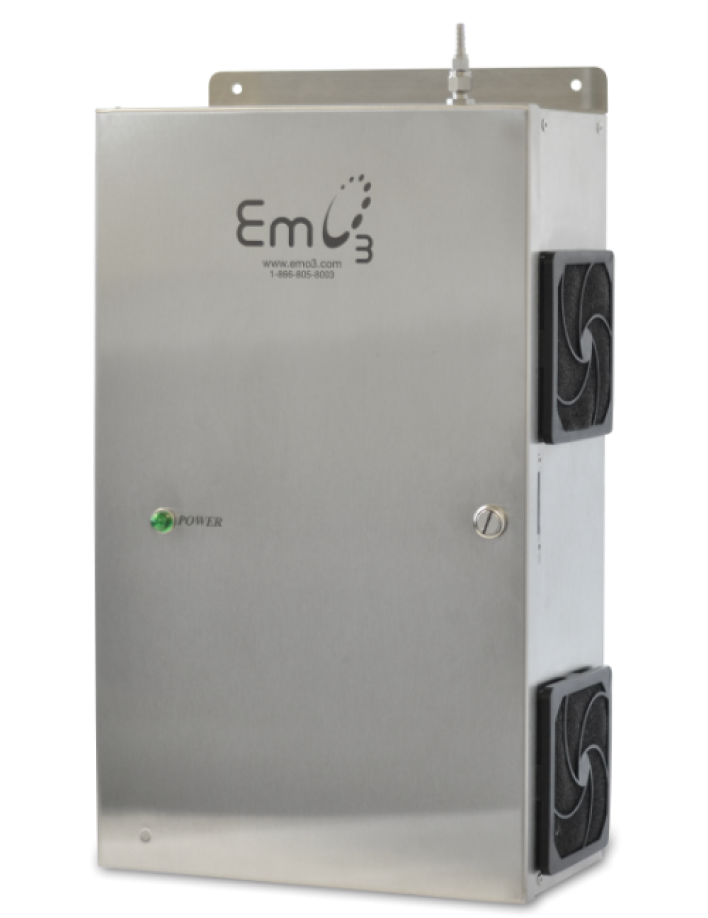
The science behind ozone
Ozone odor control is an effective way to eliminate odors without the use of products containing potent chemical substances. Ozone penetrates the molecular surface and degrades the odor-causing molecules at their source. For aerolized virus, ozone also destroys the viral RNA by breaking through the outer shell.

A permanent remedy for decontamination
Gaseous ozone has been used for several years to control and neutralize various contaminants, odors, and viral aerosols. The table below gives you an overview of the concentration and duration of ozone treatments.
Important Note: The ozone concentrations listed below are dangerous to health. These treatments must be carried out without the presence of occupants or people.
Application | Category | Concentration (ppm) | Conditions/duration |
|---|---|---|---|
Disinfection | Viral Aerosols (Influenza, Norovirus) | 10-20 | Relative humidity >85%. 40 minutes contact time |
Cold Room (Food) | 6–10 | Intermittent startup, duration 20 to 40 minutes depending on storage capacity and contamination level, mainly to kill mold | |
Food Workshop/Processing Plant | 1–1.5 | O3 gas delivery after daily work | |
Clothing | 10–20 | Relative humidity >85%, clothes hung on hangers. | |
Freshness Preservation | Eggs | 2–2.5 | Intermittent O3 gas supply, 2–3 times per day |
Fruits | 2.5–3.5 | ||
Vegetables with low chlorophyll | 1–1.5 | ||
Fish, cheese | 0.5–1 | ||
Odor Control | Morgue | 10 | Deodorize when there is an odor, duration 6 to 8 hours |
Smoke (dwelling) | 10 | Duration 6 to 8 hours | |
Fish processing plants | 3 | Gas enters the HVAC system’s air return duct | |
Slaughterhouse | 2–3 | ||
Waste Disposal | 10 | Inject gaseous ozone into the closed tank/container to treat the odor at the source. | |
Wastewater treatment plant | 1–2 |
Other applications
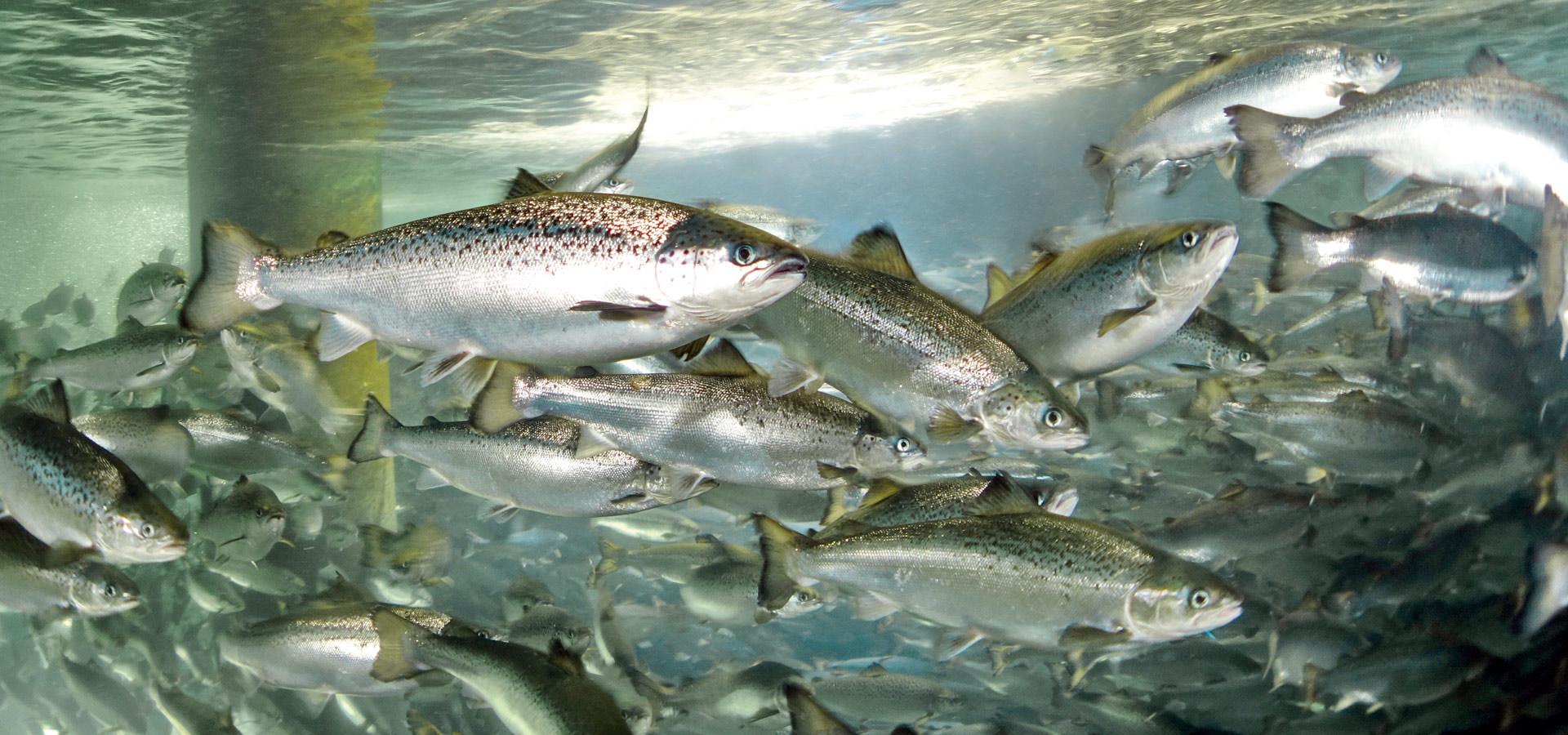
Aquaculture
Our systems provide oxygen-rich water, free of harmful pathogens and algae, supporting better yields, stable water quality, and healthier aquatic environments.
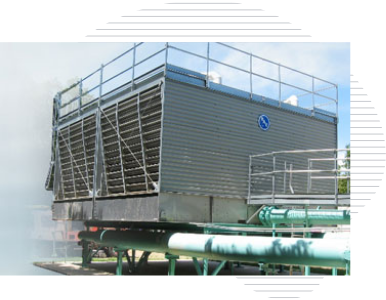
Cooling Towers
Our systems reduce bacteria and control biofilm, prevents legionella, reduces chemical dosing, and enhances system efficiency. A smart solution for keeping your cooling systems clean, compliant, and cost-effective.
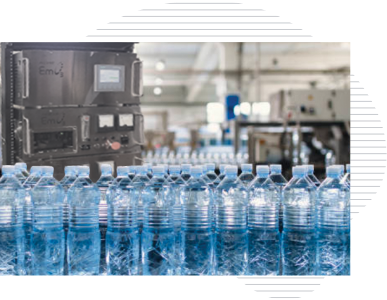
Food & Beverage Processing
Ozone is safe to use on food products such as poultry, meat and fish and has been used extensively to sanitize food products. Ozone disinfects process water, surfaces, and equipment—without chemicals. The result: safer food and a safer workspace, aligned with strict food safety standards.
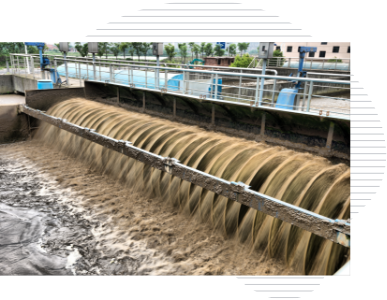
Water Reuse
Through advanced oxidation, ozone breaks down organic and mineral contaminants, reduces BOD/COD, and enables water reuse or compliant discharge—an essential tool for industries facing strict pollution control requirements.
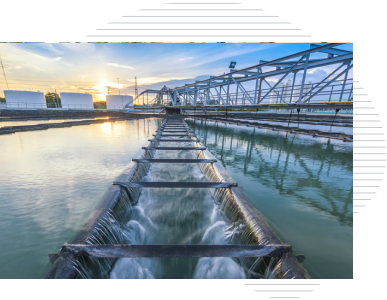
Municipal Drinking Water
Ozonation replaces chlorine in disinfection, reducing by-products (like THMs and HAAs), eliminating emerging pollutants, and improving both taste and safety—while meeting regulatory standards.

Public Aquariums
Ozone treatment ensures crystal-clear water and reliable control of bacteria and parasites, all without chemical residues. It also improves indoor air quality for visitors and staff.
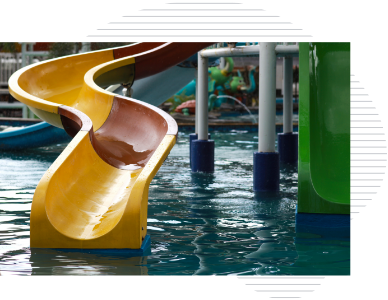
Waterparks & Public Pools
Say goodbye to harsh chemicals. Ozone disinfection is fast, and residue-free, providing clean, safe water for pools, slides, and attractions. It improves user comfort and reduces operating costs.