How does ozone treatment work in a municipal
water plant?
Ozone has been used in drinking water treatment facilities for over a century due to its ability to eliminate bacteria and viruses such as Giardia lamblia and Cryptosporidium parvum.
Compared to other oxidizing substances like hydrogen peroxide, chlorine, and bromine, ozone has a much higher redox potential (2.07 V). This is due to ozone’s instability and high reactivity.
In addition to ozone as an excellent disinfectant to neutralize waterbourne virus and bacteria, it is also an excellent solution for preventing biological clogging of ion-exchanging resin and reverse osmosis membranes, but it is also recommended because some diaphragms and resins are chlorine-degradable.
Ozone treatment for drinking water: an efficient
technology
Ozone is typically more effective at treating water than chlorine because it requires less contact time. However, the precise dosing and contact time depends on the specific application. Ozone dissolves more readily in lower water temperatures, which increases the effectiveness of the process.
Ozone is effective in a wide range of pH values, but a slight increase in the pH above 7 will increase the efficacy of the treatment. The amount of water contaminants also affects the amount of ozone required in the process. Some of the ozone is consumed when it interacts with the microorganisms in untreated water. As a result, there is less ozone available to oxidize other target substances in the water.
Ozone is now a popular option for wastewater treatment due to stricter environmental regulations.
Ozone is a potent oxidant and can remove pharmaceutical and personal care products (PPSP) as well as contaminants of emerging concern (CEC) in a way that current biological processing techniques cannot.
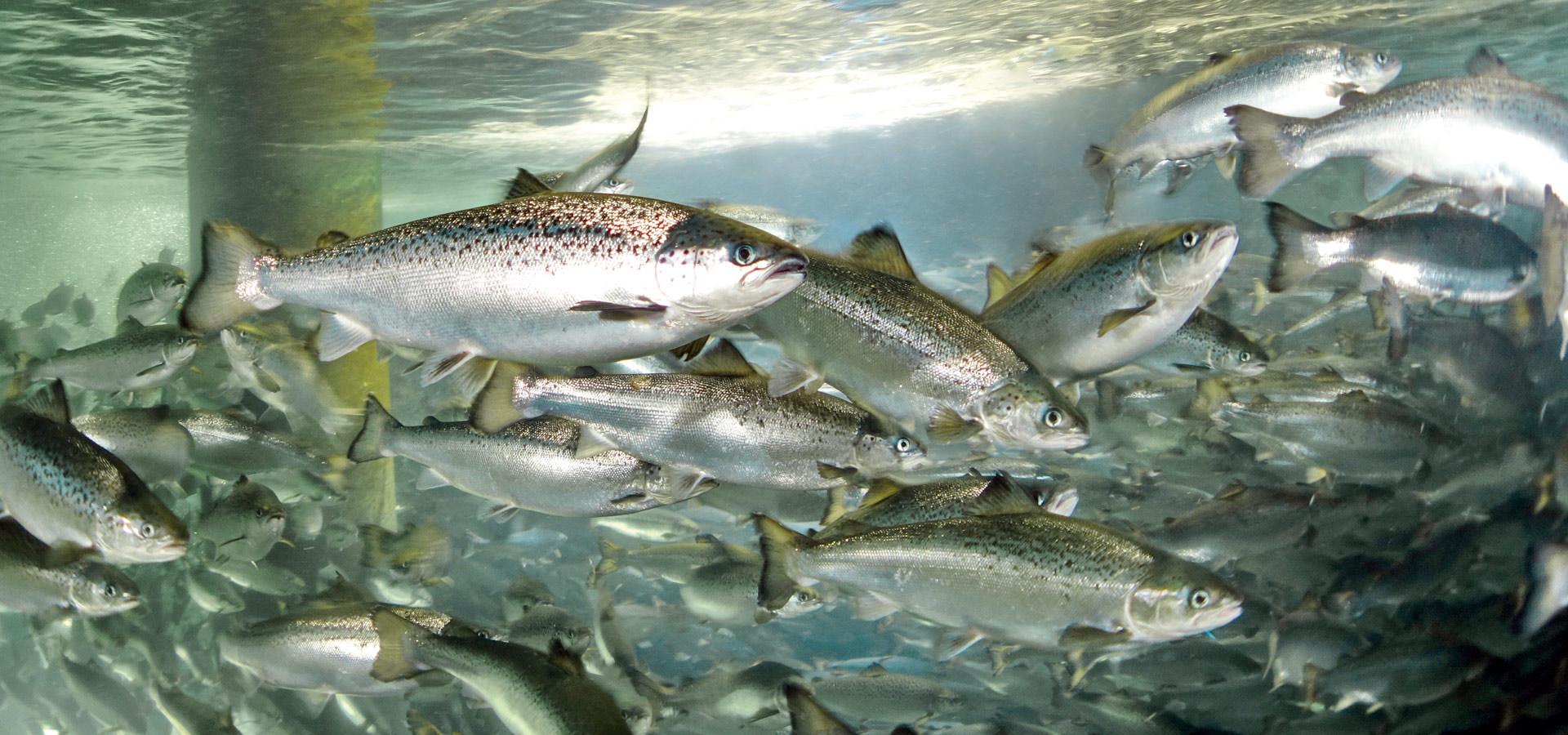
Our systems provide oxygen-rich water, free of harmful pathogens and algae, supporting better yields, stable water quality, and healthier aquatic environments.
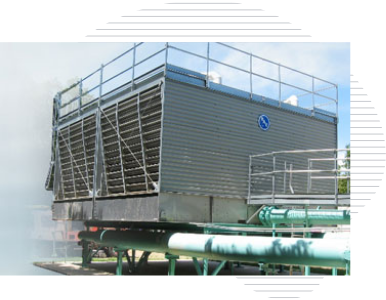
Our systems reduce bacteria and control biofilm, prevents legionella, reduces chemical dosing, and enhances system efficiency. A smart solution for keeping your cooling systems clean, compliant, and cost-effective.
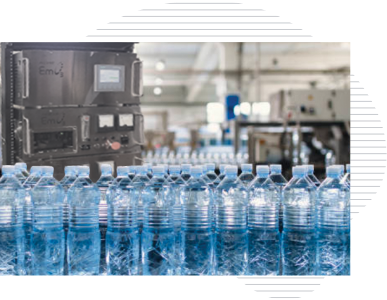
Ozone is safe to use on food products such as poultry, meat and fish and has been used extensively to sanitize food products. Ozone disinfects process water, surfaces, and equipment—without chemicals. The result: safer food and a safer workspace, aligned with strict food safety standards.
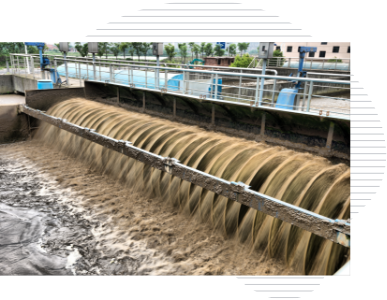
Through advanced oxidation, ozone breaks down organic and mineral contaminants, reduces BOD/COD, and enables water reuse or compliant discharge—an essential tool for industries facing strict pollution control requirements.
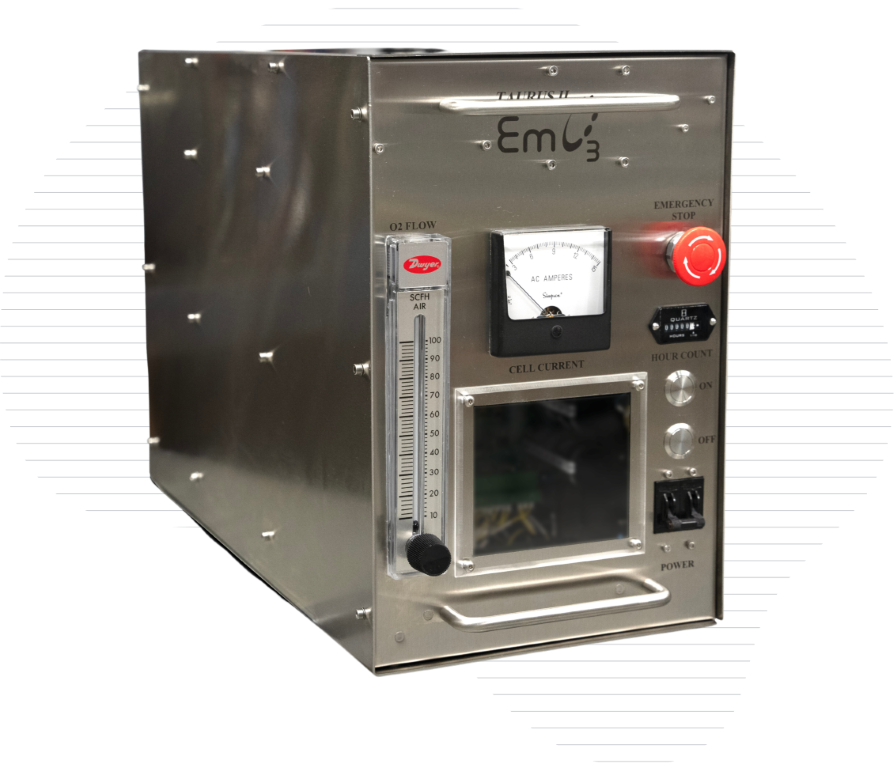
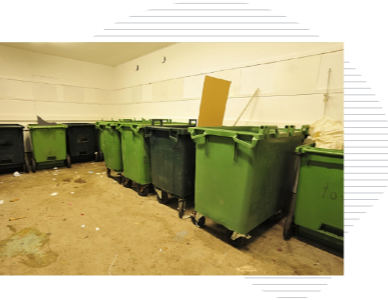
Our ozone generators are widely used in pumping stations, treatment pits, factories, and HVAC systems to eliminate VOCs and industrial odors at the source—without masking. A compliant, community-friendly solution.
Ozone treatment ensures crystal-clear water and reliable control of bacteria and parasites, all without chemical residues. It also improves indoor air quality for visitors and staff.
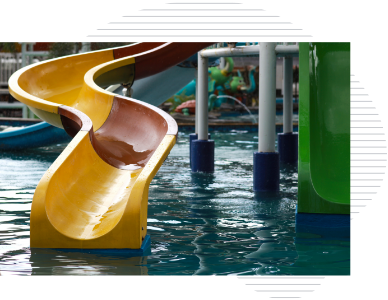
Say goodbye to harsh chemicals. Ozone disinfection is fast, and residue-free, providing clean, safe water for pools, slides, and attractions. It improves user comfort and reduces operating costs.