
Indirect and Direct Potable Reuse (IPR and DPR): The Power of Ozone and Biologically Activated Carbon (BAC)
Water scarcity is driving innovation in wastewater treatment, making water reuse a critical strategy for sustainable resource management. Achieving the high-quality standards required for safe reuse demands advanced purification methods. Among the most effective treatment trains is the combination of Ozone and Biologically Activated Carbon (BAC), which together form a robust barrier against persistent contaminants.
The Imperative for Advanced Treatment
Conventional wastewater treatment often leaves behind a challenging mix of trace contaminants, including:
- Micropollutants: Endocrine-disrupting chemicals (EDCs), pharmaceuticals, personal care products (PPCPs), and pesticides.
- Refractory Organics: Complex, difficult-to-degrade organic matter.
- Pathogens: Viruses, bacteria, and protozoa that must be fully inactivated.
To safely reuse water for applications like industrial processing, irrigation, or potable water supplementation, these substances must be effectively eliminated.
Essential Pre-Treatment: Preparing the Water
Before the water reaches the ozone contactor, it must be adequately prepared to ensure the efficiency and longevity of the advanced systems.
The influent to the Ozone/BAC system is typically clarified secondary effluent (water that has passed through primary and secondary biological treatment). However, this water still contains small suspended particles that can hinder the advanced steps.
Ozone: The Primary Oxidation Step
Ozone is a highly reactive gas and one of the most powerful oxidants used in water treatment. It is key to initiating the breakdown of complex contaminants.
How Ozonation Works:
- Generation: Ozone is produced on-site and on-demand using oxygen.
- Oxidation: When dissolved in water, ozone rapidly reacts with and breaks down organic molecules (micropollutants) into smaller, more biodegradable compounds.
- Disinfection: Ozone is an extremely effective disinfectant, inactivating a broad spectrum of pathogens (including viruses and Cryptosporidium) with short contact times.
Key Benefits of Ozonation:
- Micropollutant Destruction: Effectively degrades many trace contaminants, often converting harmful substances into harmless or more manageable byproducts.
- Enhanced Biodegradability: The oxidation process transforms complex, refractory organic matter into smaller, easily digestible molecules, making the subsequent biological step (BAC) far more efficient.
- Superior Disinfection: Provides a strong first barrier against microbial contaminants.
- Aesthetics: Greatly improves water quality by removing color and controlling taste and odor compounds.
Biologically Activated Carbon (BAC): The Polishing Step
Biologically Activated Carbon (BAC) filtration follows ozonation and is a dual-mechanism treatment that relies on both adsorption and biodegradation. It uses granular activated carbon (GAC) as a substrate for beneficial microorganisms.
How BAC Filtration Works:
- Microbial Colonization: The porous structure of the activated carbon provides a massive surface area where a biofilm of helpful bacteria develops and thrives.
- Biodegradation: The bacteria in the biofilm consume the easily digestible organic compounds created by the preceding ozonation step. This is a powerful, continuous cleaning mechanism.
- Adsorption: The activated carbon itself continues to adsorb any remaining hard-to-degrade or trace contaminants that bypass the biological process.
Key Benefits of BAC:
- Sustained Performance: By relying on microbial activity to consume organic matter, the BAC process effectively regenerates the carbon’s adsorption sites, significantly extending the lifespan of the filter media compared to standard GAC.
- Removal of Ozonation Byproducts: The bacteria efficiently consume the biodegradable compounds (like organic acids) created during ozonation, reducing the overall organic load.
- Robust Barrier: Acts as a final, reliable barrier for removing residual micropollutants and natural organic matter, ensuring water quality stability.
- Reduced Disinfection Demand: By removing organic matter, BAC lowers the potential for the formation of harmful disinfection byproducts (DBPs) when a final disinfectant (like chlorine) is added.
The Synergistic Ozone/BAC Process
The success of this combination lies in the fundamental transformation that ozone facilitates, which maximizes the efficiency of the BAC system.
Treatment Step | Primary Function | Contaminant Target |
|---|---|---|
Pre-Treatment | Particle Removal | Suspended Solids, Turbidity |
1. Ozone | Oxidation and Disinfection | Micropollutants, Pathogens, Color, Refractory Organics |
2. BAC | Adsorption and Biodegradation | Ozonation Byproducts, Residual Micropollutants, Trace Organics |
This sequence ensures a sustainable and cost-effective treatment: the pre-treatment protects the system, the ozone breaks down the tough contaminants, and the BAC polishes the water while regenerating itself, minimizing the need for frequent carbon replacement.
Applications of Ozone/BAC Treated Water
Water treated with this advanced sequence meets some of the world’s most stringent quality requirements, making it suitable for:
- Groundwater Recharge
- Industrial Use (e.g., cooling water, boiler feed)
- Indirect and Direct Potable Water
- High-Quality Irrigation
Cost comparison of Ozone/BAC to reverse osmosis (RO)
The cost of an Ozone/Biologically Activated Carbon (BAC) system is generally significantly lower than a Reverse Osmosis (RO) system for both Indirect Potable Reuse (IPR) and Direct Potable Reuse (DPR), especially for inland communities.
While Reverse Osmosis (RO) is the gold standard for removing total dissolved solids (salts) and produces highly purified water, the Ozone/BAC system often proves to be the most economical choice when salinity is not the primary concern.
Feature | Ozone/BAC Treatment Train | Reverse Osmosis (RO) Treatment Train |
|---|---|---|
Primary Driver | Oxidation and Biodegradation | Physical Filtration/Salt Separation |
Typical Cost | Lower (Can be 40–50% of RO based lifecycle cost) | Higher |
Capital Costs (CAPEX) | Lower (Fewer complex mechanical parts) | Higher (High-pressure pumps, energy recovery devices, specialized membranes) |
Operating Costs (OPEX) | Operating Costs (OPEX) Lower (Mainly power for ozone generation and backwashing) Significantly Higher (Dominated by electricity for high-pressure pumping and chemical use) | Significantly Higher (Dominated by electricity for high-pressure pumping and chemical use) |
Energy Consumption | Much Lower (Estimated $0.30 kWh/m3 to $0.40 kWh/m3 Source Dept. of Energy, Dec 2021 | Much Higher (Estimated $0.84 kWh/m3 or more) Source Dept. of Energy, Dec 2021 |
Waste Stream | None (Residual solids from backwash are typically recycled to the headworks) | Brine Concentrate (Highly concentrated salt/contaminant stream requiring complex, expensive disposal) |
Contaminant Focus | Micropollutants (e.g., pharmaceuticals, pesticides), Pathogens, Organics | Total Dissolved Solids (TDS), Micropollutants, Pathogens |
Other applications
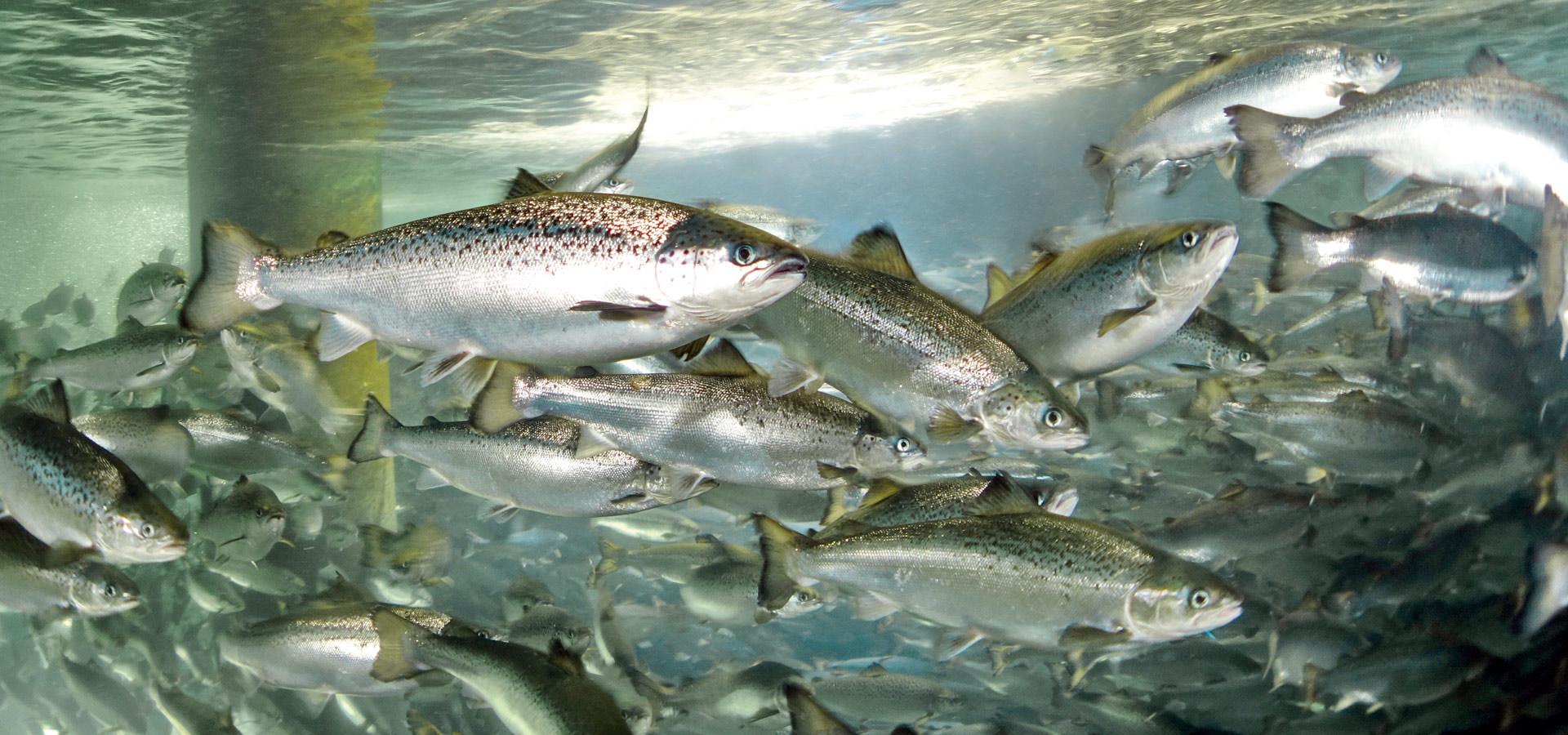
Aquaculture
Our systems provide oxygen-rich water, free of harmful pathogens and algae, supporting better yields, stable water quality, and healthier aquatic environments.
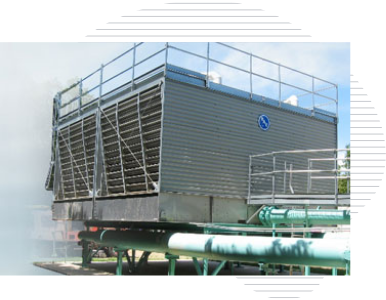
Cooling Towers
Our systems reduce bacteria and control biofilm, prevents legionella, reduces chemical dosing, and enhances system efficiency. A smart solution for keeping your cooling systems clean, compliant, and cost-effective.
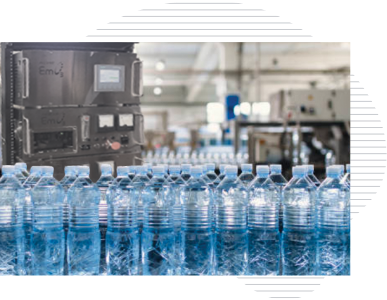
Food & Beverage Processing
Ozone is safe to use on food products such as poultry, meat and fish and has been used extensively to sanitize food products. Ozone disinfects process water, surfaces, and equipment—without chemicals. The result: safer food and a safer workspace, aligned with strict food safety standards.
Municipal Drinking Water
Ozonation replaces chlorine in disinfection, reducing by-products (like THMs and HAAs), eliminating emerging pollutants, and improving both taste and safety—while meeting regulatory standards.
Odor Control
Our ozone generators are widely used in pumping stations, treatment pits, factories, and HVAC systems to eliminate VOCs and industrial odors at the source—without masking. A compliant, community-friendly solution.

Public Aquariums
Ozone treatment ensures crystal-clear water and reliable control of bacteria and parasites, all without chemical residues. It also improves indoor air quality for visitors and staff.
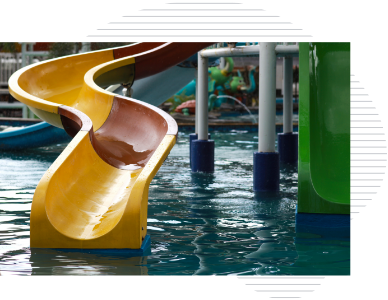
Waterparks & Public Pools
Say goodbye to harsh chemicals. Ozone disinfection is fast, and residue-free, providing clean, safe water for pools, slides, and attractions. It improves user comfort and reduces operating costs.